
Sex Toys
Are Sex Toys Legal in India?

Aug
Title Tag: Are Sex Toys Legal in India? Complete 2026 Law & FAQ Guide Meta Description: Are sex toys legal in India? Yes. Here’s the full 2026 picture: the obscenity law everyone cites, recent court rulings, customs rules, and how to shop safely. Primary Keyword: are sex toys legal in India Secondary Keywords: sex toy laws India, Section 292 IPC sex toys, buy sex toys online India legally, sex toy import India customs, is it safe to order sex toys in India URL Slug: /are-sex-toys-legal-in-india
If you’ve ever added a vibrator to your cart in India and then hesitated before checking out, you’re not alone. It’s one of the most-asked questions we get: is this actually legal? The short answer is yes — buying, owning, and using sex toys in India is legal for consenting adults. There’s no law that names sex toys and bans them. What trips people up is one 165-year-old obscenity provision that was never written with adult wellness products in mind, plus a genuine, ongoing tug-of-war between importers and Customs officials. This guide walks through exactly what the law says, what courts have ruled in the last two years, and what that means for you as a buyer.
This is general information for Indian shoppers, not legal advice — if you have a specific legal question, it’s worth checking with a lawyer.
The Short Answer: Buying and Owning Sex Toys Is Legal
There is no statute in India that specifically prohibits an adult from purchasing, possessing, or using a sex toy for personal reasons. Millions of orders ship across the country every year through online retailers, and mainstream marketplaces have quietly started listing “personal massagers” alongside everything else. The legal grey areas that do exist are narrower than most people assume — they sit around how products are imported and marketed, not around the basic act of an adult buying one for themselves.
The Law Everyone Keeps Citing: Section 292 IPC (Now Section 294 BNS)
Almost every legal debate about sex toys in India traces back to Section 292 of the Indian Penal Code (IPC), 1860 — now carried forward as Section 294 of the Bharatiya Nyaya Sanhita (BNS), 2023, which replaced the IPC in mid-2024. This provision criminalises the sale, distribution, or public exhibition of “obscene” objects.
The catch: the law never defines “obscene” with any precision. It was drafted in the colonial era to police books, paintings, and prints — decades before e-commerce, and long before sexual wellness became a mainstream retail category. Courts have had to fill in that gap themselves, generally applying what’s called the “community standards test” rather than treating anything sexual as automatically obscene. Under that test, a product isn’t obscene just because it relates to sex — it has to be lascivious or depicted in a way designed to appeal to prurient interest, taken as a whole.
That distinction matters a lot in practice. It’s the difference between a product page with clinical, factual descriptions and one plastered with explicit imagery.
What the Courts Have Actually Said?
The law on paper hasn’t changed much, but the case law interpreting it has moved steadily in one direction over the past decade:
- Calcutta High Court held that materials or products intended to help adults understand and enjoy sex aren’t obscene simply by nature, so long as they aren’t marketed using explicit language or imagery, and are sold responsibly to adults.
- Supreme Court, 2018 (Navtej Singh Johar v. Union of India): This landmark ruling decriminalised consensual sexual activity between adults, regardless of sexuality. It’s relevant here because earlier legal challenges against sex toy retailers had argued that toys were “aiding” acts that were criminal under the old Section 377. Once the Supreme Court struck that down, that particular argument against retailers stopped holding up.
- Bombay High Court, 2024 (Commissioner of Customs v. DOC Brown Industries LLP): The court held that body massagers can’t be automatically treated as obscene sex toys just because Customs officials assume that’s how they might be used.
- Delhi High Court, October–November 2025: In a closely watched dispute, Customs had seized shipments of body massagers and silicone sleeves under an old 1964 import notification aimed at “obscene” goods. The Court criticised the seizure as based on the officer’s personal assumptions rather than any consistent standard, ordered the goods released, and directed the Central Board of Indirect Taxes and Customs (CBIC) to work out a uniform import policy. When Customs asked the Court to reconsider, it declined and fined the responsible official ₹25,000 per case for what it called unnecessary harassment of the importer.
Taken together, the direction is clear: Indian courts are increasingly unwilling to let obscenity law be applied by guesswork, and are pushing regulators toward consistent, documented standards instead.
Where the Real Grey Area Is: Import, Not Buying
Here’s the distinction that most articles blur together. Buying a toy from an Indian online store is a different legal question from personally importing one from an overseas seller.
Domestic retailers who stock and sell within India have already cleared their inventory through the appropriate channels. As a buyer, ordering from one of these stores and having it delivered to your door isn’t the part of the system that’s contested. The friction shows up at the border: a 1964 Customs notification, read alongside the Customs Act, 1962, gives officials discretion to flag shipments they consider obscene — and as the recent Delhi High Court cases show, that discretion has sometimes been applied inconsistently to imported “body massager” consignments.
That’s a fight between importers/wholesalers and Customs over bulk or personal international shipments — it isn’t a reflection of your legal standing as someone buying a toy that’s already available through an Indian retailer.
What About How Stores Market Them?
You’ll notice most Indian sex toy sites, including ours, describe products as “massagers” or “personal wellness devices” and ship them in plain packaging without explicit branding or imagery. That’s not a loophole to dodge the law — it’s exactly the kind of responsible, non-explicit marketing the courts have pointed to as the difference between a legitimate wellness product and something that could actually run into obscenity trouble. It also satisfies India’s Consumer Protection (E-Commerce) Rules, 2020, which require sellers to give accurate, non-misleading product information.
So, Is It Safe to Order Online in India?
For the vast majority of buyers, yes. A reputable Indian retailer will:
- Ship in a plain, unbranded box with a generic label (ours reads as general wellness/health goods)
- Keep product photography and descriptions non-explicit
- Offer Cash on Delivery, so you’re not sending card details to an unfamiliar checkout page
- Restrict sales to adults 18 and over
If you’re buying your first toy and want to keep the budget realistic, a beginner bullet vibrator or entry-level masturbator typically runs ₹1,000–₹2,500, and most first-time buyers land closer to ₹3,000–₹4,000 once you add a cleaner or accessory. Here are a few live picks across different categories to give you a sense of the range:
Recommended products
-
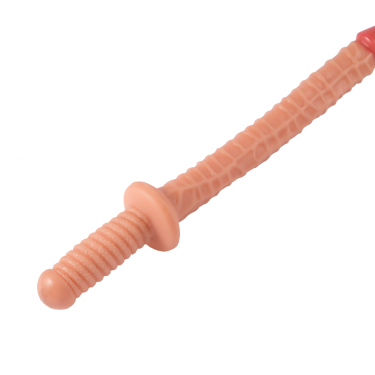
Realistic Handle Dildo Adulttoys-india
Original price was: ₹6,158.46.₹3,999.00Current price is: ₹3,999.00. -
10 Speed Waterproof Mini Bullet Vibrator for Clit Pussy Massager Toys
Original price was: ₹2,081.00.₹1,299.00Current price is: ₹1,299.00. -
Hearts Spanking Paddle for Couple
Original price was: ₹5,492.34.₹3,899.00Current price is: ₹3,899.00. -
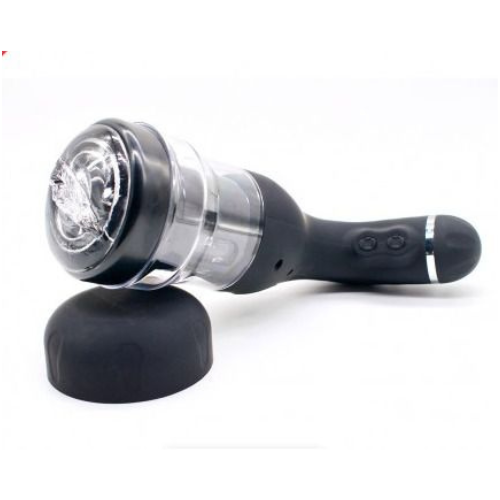
Rotation Lover Automatic Masturbator
Original price was: ₹16,599.00.₹12,599.00Current price is: ₹12,599.00. -
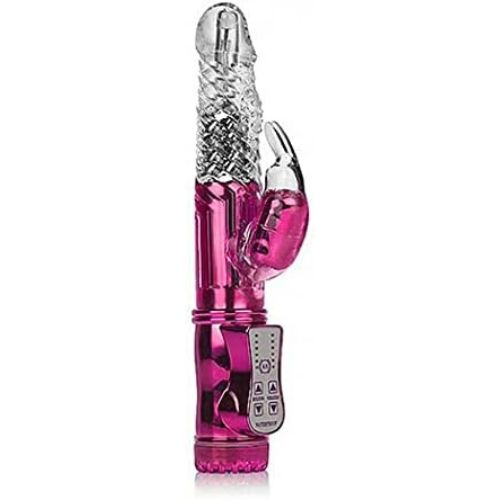
Jack Rabbit VP Rechargeable Rotating Vibrator
Original price was: ₹5,999.00.₹4,499.00Current price is: ₹4,499.00. -
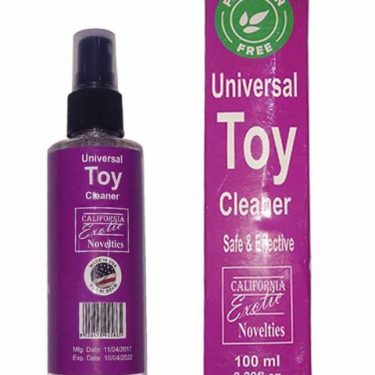
Universal Sex Toys Cleaner
Original price was: ₹4,415.50.₹2,950.00Current price is: ₹2,950.00.


Prices and stock change with the site’s ongoing sales, so double-check the live listing before you order.
Quick Legal Cheat Sheet
| Clearly fine | Grey area, but not on you | Off-limits everywhere |
|---|---|---|
| Buying from an Indian retailer for personal use | Personally importing a toy directly from an overseas seller — Customs may hold or query the shipment | Any content or product sexualising minors — zero tolerance, no exceptions |
| Owning and using toys as a consenting adult | Bulk import by a business without proper documentation | Selling or marketing with explicit, obscene imagery |
| Gifting a toy to another consenting adult | — | Non-consensual use of any kind |
FAQs
Is it legal to buy sex toys online in India?
Yes. There’s no law that bans the purchase or personal use of sex toys by adults. The obscenity law that people cite (Section 294 BNS, formerly Section 292 IPC) targets how products are marketed and sold, not the act of an adult buying one.
Can my order get seized by Customs?
If you’re ordering from an Indian retailer, this isn’t something you need to worry about — the retailer has already handled import and customs clearance before the product reaches their warehouse. The customs disputes making news recently involve businesses importing stock in bulk, not individual domestic orders.
Do I have to be a certain age to buy?
Yes — this content and these products are for adults 18 and over.
Will the package say what’s inside?
No reputable Indian seller ships with explicit labelling. Expect a plain box with a generic description like “wellness” or “health product,” with no branding on the outside.
Is India planning to introduce a specific law on sex toys?
Not that’s been announced. Following the 2025 Delhi High Court rulings, the Court directed customs authorities to work out a clearer, more uniform import policy — but that’s a regulatory clarification, not a new criminal law, and it hasn’t been finalised yet.
Buying a sex toy in India isn’t the legal minefield it’s made out to be — it’s a mainstream, adult purchase covered by ordinary consumer protections, discreet by default, and backed by court after court siding with buyers and retailers over outdated assumptions. Browse our full range of 500+ products for men, women, and couples, starting under ₹1,000, with Cash on Delivery and 100% discreet packaging on every order.

