
Sex Toys
Silicone vs Rubber vs TPE Sex Toys

Aug
Most people shopping for a toy compare vibration modes, size, and price. Almost nobody reads the one line on the listing that actually determines whether the thing is safe to use, how long it will last, and whether you’ll be replacing it in three months or three years: the material.
This guide breaks down the three materials you’ll see named most often — silicone, rubber, and TPE — plus the one that almost never gets named honestly: “jelly.” By the end you’ll be able to read a listing and know what you’re actually buying, not just what it’s called.
Three materials on the label, and the one that isn’t
Silicone
The current gold standard for body-safe toys, and the material most retailers — including this one — steer buyers toward. Medical-grade or platinum-cured silicone is non-porous, meaning it has no microscopic channels for bacteria or fluid to hide in. It’s washable with warm water and mild soap, and toys explicitly rated as boilable can be sterilised outright.
Silicone is also body-temperature-responsive, holds detail well, and doesn’t carry the sharp chemical smell of cheaper plastics. The trade-off is price — genuine silicone toys tend to sit in the mid-to-premium range rather than the rock-bottom one.
Rubber / latex
True natural rubber is rare in modern toys, mostly because it’s porous, degrades over time, and carries a real allergy risk for anyone with a latex sensitivity — the same one relevant to latex condoms and gloves. When a listing says “rubber” today, it’s almost never describing literal natural rubber; it’s usually shorthand for a soft, flexible feel, and the actual material underneath is closer to what the industry calls “jelly rubber” (see below). If you do have a confirmed latex allergy, treat anything labelled “rubber” with caution until the listing names a specific, non-latex material.
TPE / TPR (thermoplastic elastomer / rubber)
The most common budget-to-mid material on the market. TPE is generally phthalate-free and non-toxic, softer and squishier than silicone, and considerably cheaper — which is why it shows up constantly in larger-format products like torso masturbators and dolls.
The catch is that it’s still porous. It can’t be fully sterilised, it should always be used with a condom for anything inserted, and it needs replacing every few months of regular use rather than being a buy-once toy.
“Jelly” — not actually a material
This is the one nobody puts on a label honestly, because it isn’t a real material name — it’s industry shorthand for a soft PVC-and-rubber blend, usually the cheapest thing in the catalogue. Jelly toys are typically translucent or brightly coloured, feel slightly sticky or tacky, and often have a noticeable chemical smell straight out of the packaging.
They’re also the material most likely to contain phthalates (more on that below), and the most porous of everything on this list. If a listing doesn’t name a real material and the toy is unusually cheap and glossy-looking, assume it’s this.
Porous vs non-porous: the spec that actually decides everything
Every material above sorts into one of two buckets, and this matters more than any other spec on the page:
- Non-porous — silicone, glass, stainless steel, and ABS hard plastic. No microscopic gaps for bacteria to colonise. Washes clean, and silicone rated for it can be boiled for a full reset between uses.
- Porous — TPE, TPR, jelly, PVC, and true rubber. Microscopic channels exist even after thorough washing, so nothing porous can be fully sterilised, no matter how carefully you clean it.
Porous doesn’t mean unusable — it means the toy needs a condom during use, a full dry-out before storage, and a retirement date every few months rather than years. That’s a genuinely honest way to spend ₹1,500 on a TPE toy instead of ₹5,000 on silicone, as long as you treat it accordingly.
What the research actually says about phthalates?
Phthalates are the plasticisers that make PVC and jelly-type materials soft and flexible. Some research — including a widely cited 2005 study in the journal Environmental Health Perspectives — has linked phthalate exposure to reproductive and hormonal effects in animal studies, which is why the EU and US now cap phthalate levels in children’s toys and medical devices.
Adult toys, notably, usually fall outside those same caps. In India specifically, the Bureau of Indian Standards has issued voluntary safety standards for toys, but none of them set a phthalate limit — and those standards were written for children’s toys in the first place, not adult products, which aren’t separately regulated at all. In practice, that means there’s no government body checking what’s actually inside a “jelly” dildo sold in India; the only real safeguard is buying from a retailer who names the actual material and steering toward non-porous options for anything used internally or often.
How to actually read a listing?
Real examples, since this is more useful than theory. On dollindia.in, products that explicitly name silicone in the title or description — like the Black Silicone Strap-On Dildo with Harness or the 1st Class Quality Luxury Silicone Vibrating Pocket Pussy — are telling you something specific and checkable. Compare that to a listing like the Half Sex TPE Realistic Love Toy Doll, which is upfront that it’s TPE rather than silicone, at a correspondingly different price point.
A few phrases worth treating as yellow flags rather than a confirmed material:
- “Silicone-like” or “silicone blend” almost always means the toy is not silicone, or is silicone mixed with something more porous.
- “Skin-friendly material” or “soft-touch material” with nothing more specific named is usually TPE or jelly, described vaguely.
- “Medical-grade” with no material named at all is a marketing phrase, not a certification — there’s no regulatory body that hands out a “medical-grade” stamp for adult toys, in India or anywhere else. It only means something when it’s attached to an actual material, as in “medical-grade silicone.”
- No material named anywhere on the page. If a listing genuinely doesn’t say what the toy is made from, assume porous and use a condom until you know otherwise.
Cost, feel, and lifespan compared
| Material | Feel | Lifespan | Cleaning | Typical price tier |
|---|---|---|---|---|
| Silicone | Soft, body-warming, holds detail | Years, if the motor lasts | Warm water + soap; boilable if stated | Mid to premium |
| TPE / TPR | Very soft, squishy | A few months of regular use | Wash, dry fully, condom for insertion | Budget to mid |
| Rubber / latex | Soft, allergy risk | Degrades over time | Condom always; avoid if latex-sensitive | Budget, increasingly rare |
| “Jelly” (PVC blend) | Sticky, glossy, cheapest feel | Weeks to a few months | Condom always; retire at first sign of tackiness | Entry-level |
Shop the silicone picks
If you’re ready to upgrade from a porous toy, or just want to start with something non-porous, here’s a spread of confirmed-silicone options across categories, live on the site as of this writing:
Recommended products
-
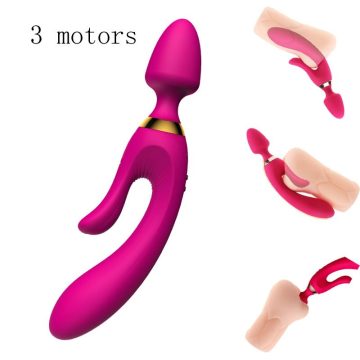
USB Charging Silicone Anal Vibrator AV Magic Wand Dildo G Spot Massager
Original price was: ₹9,129.80.₹5,699.00Current price is: ₹5,699.00. -
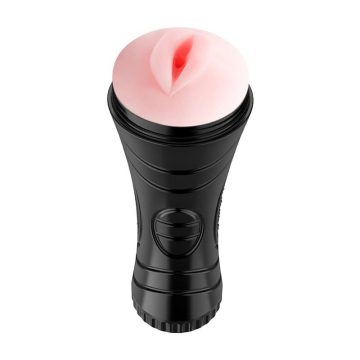
Silicone Mouth Oral Sex Masturbate Toys For Men
Original price was: ₹6,999.00.₹3,299.00Current price is: ₹3,299.00. -
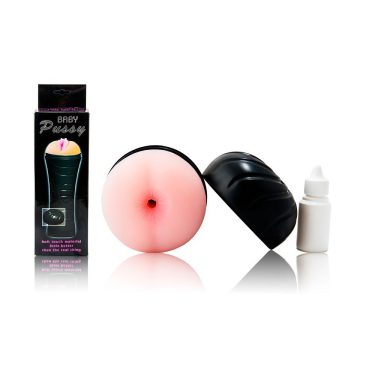
Silicone Anal Sex Male Masturbate Toys For Men
Original price was: ₹7,999.00.₹3,999.00Current price is: ₹3,999.00. -
Black Silicone Strap-On Dildo with Harness
Original price was: ₹5,899.00.₹4,299.00Current price is: ₹4,299.00. -
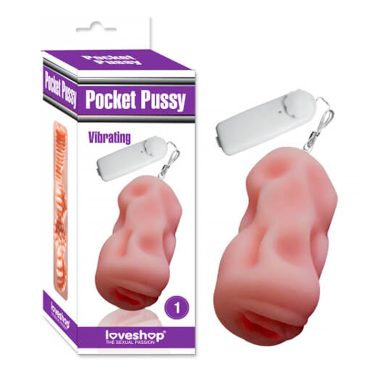
1st Class Quality Luxury Silicone Vibrating Pocket Pussy
Original price was: ₹4,162.00.₹2,598.00Current price is: ₹2,598.00.

If you already own something porous
No shame in it — most people’s first toy is TPE, jelly, or unlabelled, usually because it was the cheapest option on the page. Nothing here means you need to throw it out. Cover it with a condom every time it’s used, dry it completely after washing, store it separately from your silicone toys (porous and silicone surfaces degrade each other on contact), and plan to replace it every few months rather than keeping it for years. That’s a genuinely safe way to keep using it while you decide whether to upgrade.
FAQs
Is “medical-grade silicone” an official certification?
No. There’s no regulatory body issuing a “medical-grade” stamp for adult toys, in India or elsewhere. It’s a meaningful phrase only when it’s naming an actual material (silicone) rather than standing alone as a slogan.
Can silicone toys be boiled to clean them?
Only if the specific listing says the toy is rated for it — not all silicone is manufactured to the same purity, and boiling one that isn’t rated for it can damage the motor or seams on a vibrating toy.
Is a “rubber” toy the same as a jelly toy?
Functionally, usually yes. Most toys marketed as “rubber” today are the same soft PVC-and-rubber blend as “jelly” toys, rather than true natural rubber. Treat both as porous and use a condom.
Does TPE mean a toy is unsafe?
Not automatically — TPE is generally phthalate-free, unlike PVC or jelly. It’s porous, though, so it needs the same condom-and-replace routine as any other porous material, even though it isn’t the highest-risk one on this list.
Is silicone lubricant safe with silicone toys?
No — silicone-based lube degrades a silicone toy’s surface over time. Water-based lubricant is the safe default across every material on this list.

